
Dominate Your Niche with Targeted Pay Per Click Ads
Struggling to reach your target audience in the sea of online noise? Pay-Per-Click (PPC) advertising offers a solution. By precisely targeting your ideal customer, you can cut through the clutter and drive qualified traffic to your website.
How PPC Advertising Works
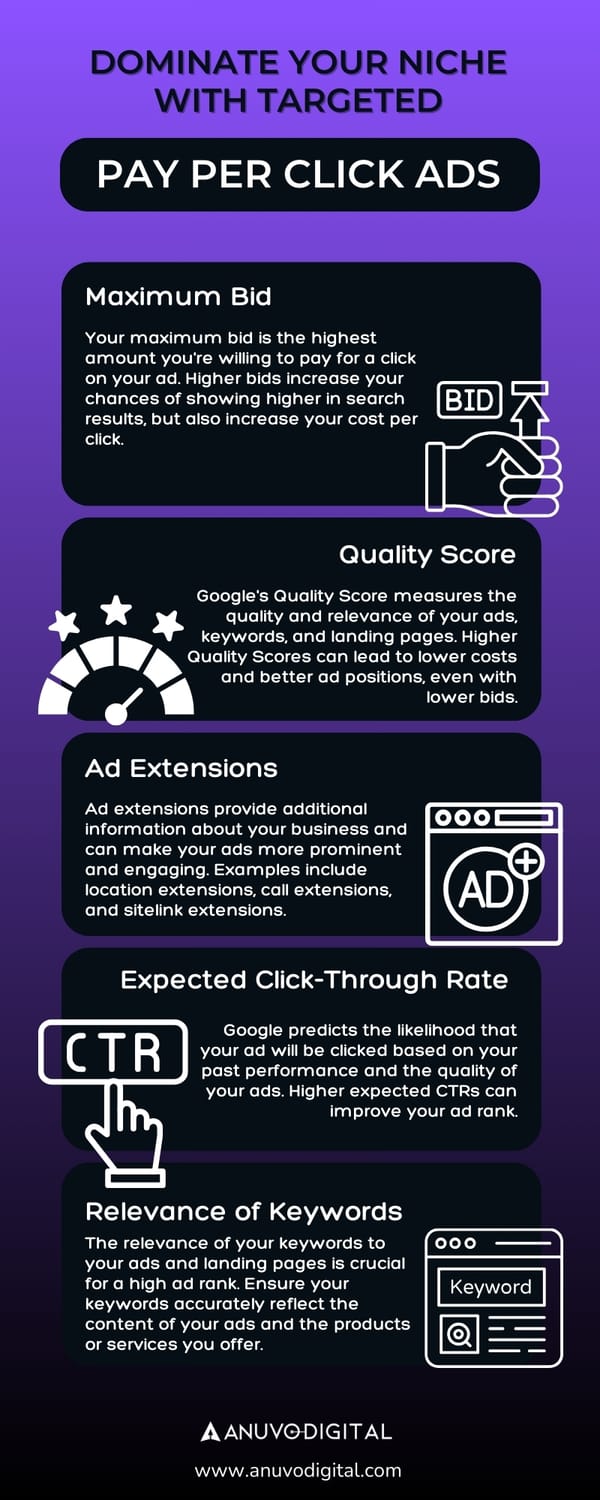
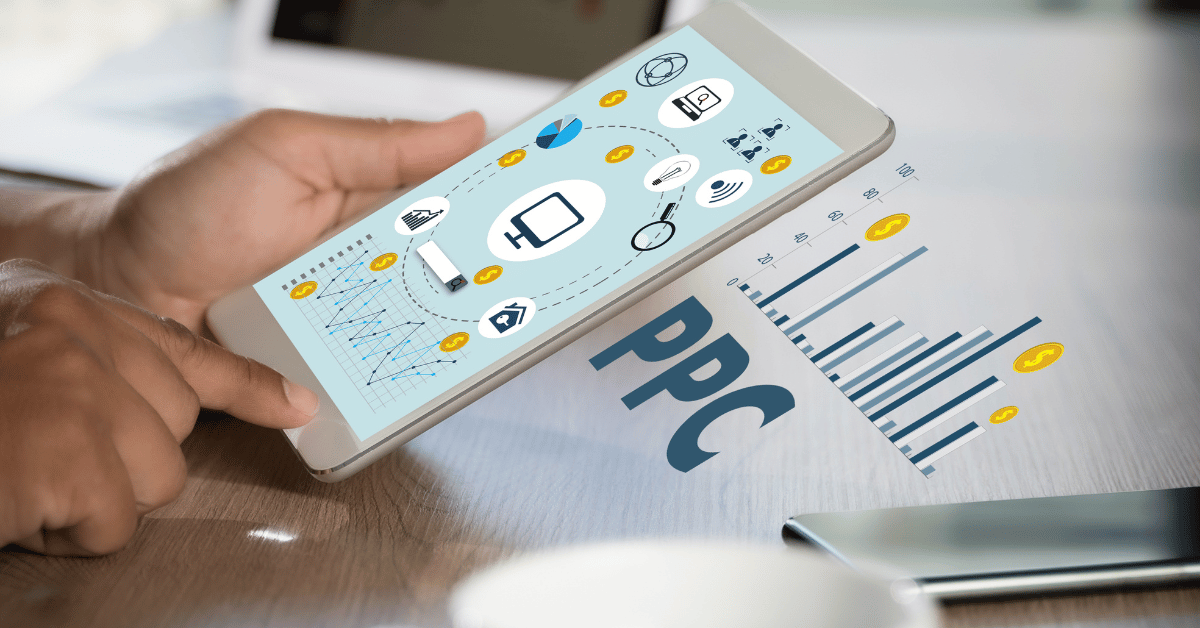
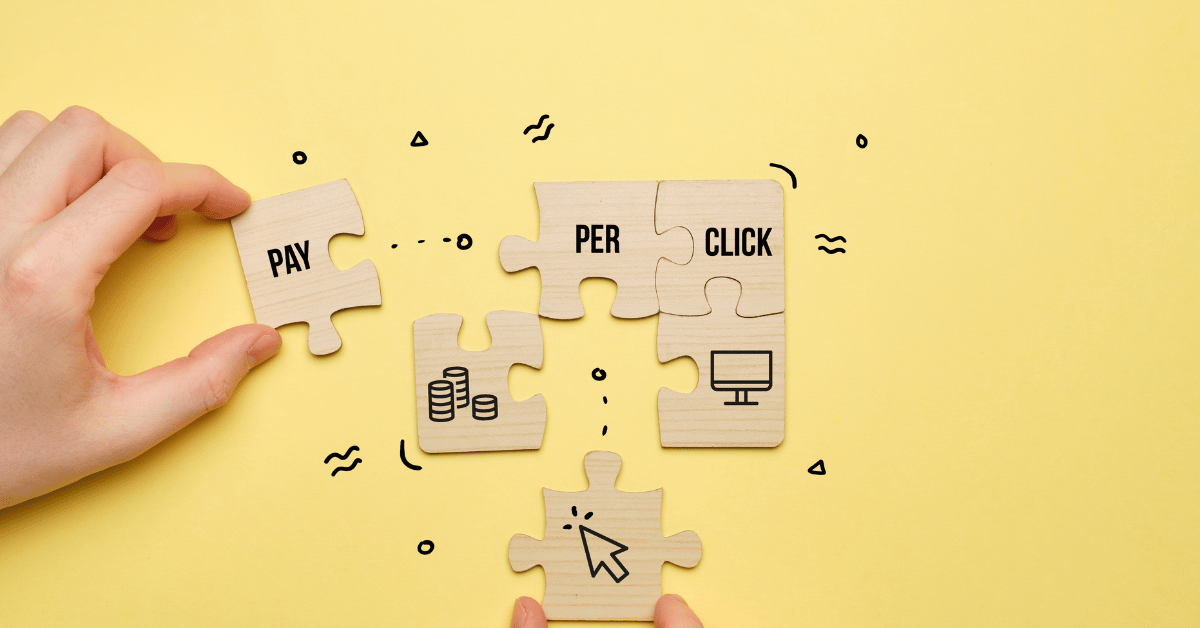
Pay-Per-Click (PPC) advertising is a powerful digital marketing tool that allows you to bid on keywords and display your ads at the top of search engine results pages. It's like buying prime real estate on the internet.
Think of it as an auction. Advertisers bid on specific keywords, and the highest bidder with the best ad quality wins the top spot. When a user searches for that keyword, your ad appears, and you only pay when someone clicks on it.
Key Factors Influencing Ad Rank
Your ad's position on the search engine results page is determined by two key factors:
Maximum Bid: The amount you're willing to pay for a click.
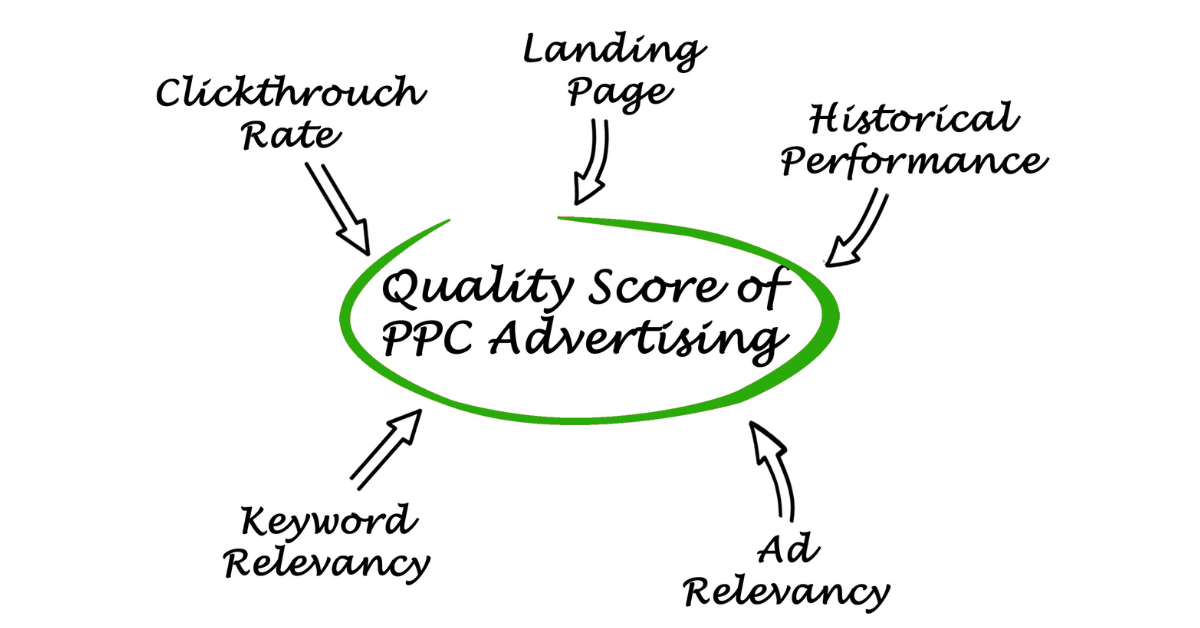
Quality Score: This measures the relevance and quality of your ad and landing page.
A higher quality score can significantly reduce your cost-per-click, as it indicates that your ad is more likely to be clicked on and lead to a conversion.
Types of PPC Advertising
Pay-Per-Click (PPC) advertising offers a versatile range of strategies to reach your target audience. By understanding the different types of PPC advertising, you can tailor your campaigns to achieve specific goals.
Search Engine Advertising (SEA)
One of the most common forms of PPC advertising, SEA involves bidding on keywords to display your ads at the top of search engine results pages. Platforms like Google Ads and Bing Ads allow you to target specific keywords and demographics to ensure your ads reach the right people.
Social Media Advertising
Social media platforms offer a powerful way to connect with your target audience. By using social media advertising, you can create highly targeted campaigns that reach users based on their interests, demographics, and behaviors. Platforms like Facebook Ads, Instagram Ads, and LinkedIn Ads allow you to leverage the vast reach of social media to drive brand awareness, generate leads, and boost sales.
Display Advertising
Display advertising involves placing visually appealing ads on websites and apps. This can include banner ads, video ads, and interactive ads. By strategically placing your ads on relevant websites, you can capture the attention of your target audience and drive traffic to your website.
By understanding the different types of PPC advertising and leveraging the right strategies, you can effectively reach your target audience, increase brand visibility, and drive conversions.
Creating Effective PPC Ads
To create effective PPC ads, consider the following tips:
Compelling Headlines: Write clear, concise, and attention-grabbing headlines that accurately reflect your ad's message.
Relevant Ad Copy: Use persuasive copy that highlights the unique benefits of your product or service.
Strong Call to Action: Encourage users to take action with a clear and compelling call to action, such as "Shop Now," "Learn More," or "Sign Up."
Targeted Keywords: Use relevant keywords to ensure your ads are shown to the right audience.
High-Quality Landing Pages: Create landing pages that are optimized for conversions and closely align with your ad copy.
Key Performance Indicators (KPIs) to Track
To truly maximize the potential of your PPC campaigns, it's crucial to track and analyze key performance indicators (KPIs). By monitoring these metrics, you can identify areas for improvement and optimize your campaigns for better results.
Click-Through Rate (CTR): A higher CTR indicates that your ads are relevant and compelling. To improve your CTR, focus on writing strong ad copy, using relevant keywords, and creating compelling landing pages.Loyalty Programs: Reward loyal customers with discounts, exclusive offers, and personalized experiences.
Conversion Rate: Your conversion rate measures the percentage of people who take a desired action after clicking on your ad. To increase your conversion rate, ensure that your landing pages are optimized for conversions, offer clear calls to action, and provide a seamless user experience.
Cost Per Acquisition (CPA): CPA measures the cost of acquiring a new customer. To lower your CPA, consider targeting more relevant keywords, improving your ad quality score, and optimizing your landing pages.
Return on Ad Spend (ROAS): ROAS measures the revenue generated for every dollar spent on advertising. To increase your ROAS, focus on improving your conversion rates, average order value, and customer lifetime value.
Additional KPIs to Consider:
Impression Share: The percentage of impressions your ads receive compared to the total number of impressions available.
Quality Score: A measure of the relevance and quality of your ads and landing pages.
Average Position: The average position of your ads on the search engine results page.
PPC advertising can be a powerful tool for driving traffic and generating leads. However, it's important to have a solid understanding of the basics and to track your results closely. By tracking these KPIs and making data-driven decisions, you can optimize your PPC campaigns for maximum ROI.
The Power of Testing and Optimization
To truly maximize the potential of your PPC campaigns, it's crucial to embrace a culture of continuous testing and optimization. By experimenting with different elements of your ads and landing pages, you can identify what works best and refine your strategy accordingly.
A/B Testing: Your Secret Weapon
A/B testing allows you to compare two versions of an ad or landing page to determine which performs better. By testing different headlines, calls to action, images, and color schemes, you can identify the elements that resonate most with your target audience.
Landing Page Optimization: The Foundation of Success
A well-optimized landing page is essential for driving conversions. Ensure your landing pages are clear, concise, and focused on a single goal. Use strong headlines, compelling copy, and a clear call to action to guide visitors towards the desired action.
Continuous Monitoring and Analysis
To stay ahead of the competition, you must continuously monitor and analyze your PPC campaigns. Use analytics tools to track the key metrics mentioned previously. By identifying trends and patterns in the data, you can make data-driven decisions to improve your campaigns.
Remember, PPC advertising is an ongoing process. By embracing a culture of testing, optimization, and continuous learning, you can achieve sustainable success.
If you're looking to take your PPC advertising to the next level, Anuvo Digital can help. We create and manage effective PPC campaigns that deliver results. Need copy and ad creative for your next PPC campaign?
We do that, too!
Contact us today to learn more.
Let's get social


Drop your email address below to get our newsletter.
