
Boost Your Brand with High-Quality Content
Tired of blending in with the noise of countless online brands? Ready to captivate your audience and drive real results? The secret lies in a well-executed content marketing strategy. By creating high-quality content that resonates with your target audience, you can establish your brand as an industry leader and boost your bottom line.
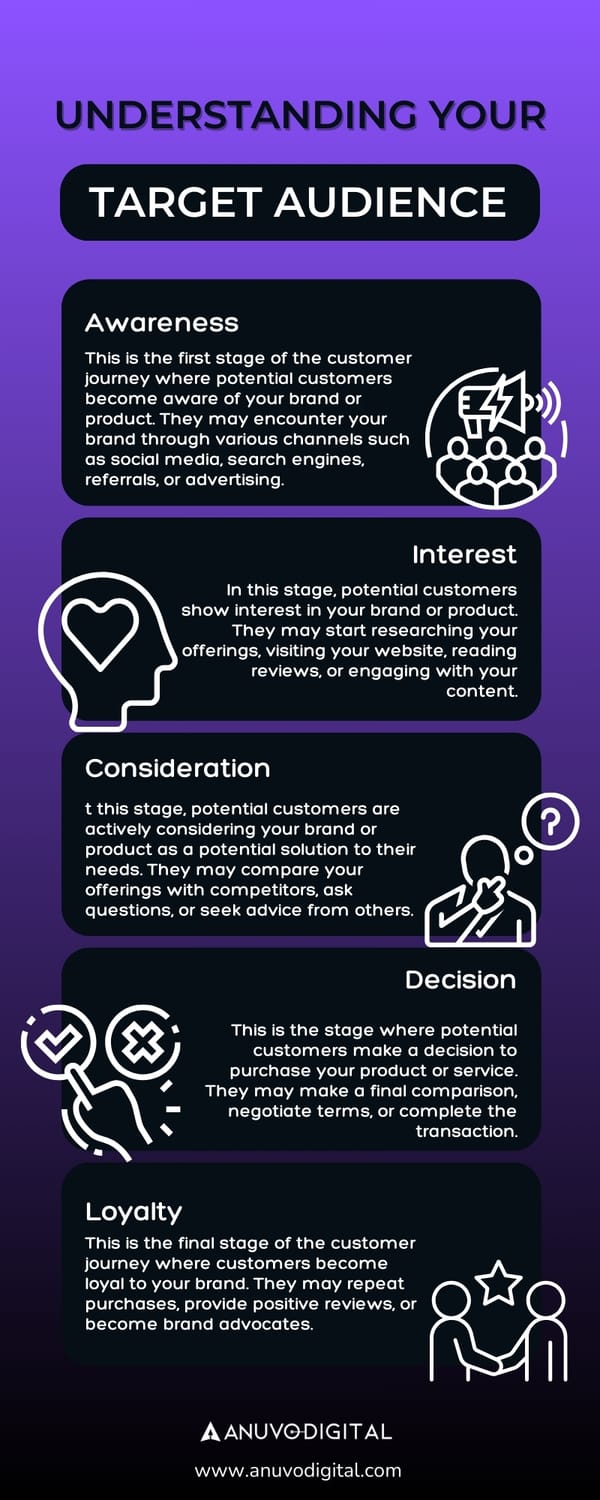
Understanding Your Target Audience
Before you start creating content, you need to understand your target audience. Who are they? What are their interests? What problems are they trying to solve? What keeps them up at night? By creating detailed buyer personas, you can tailor your content to their specific needs.
Consider demographic factors like age, gender, location, income, and education level. Dig into their psychographics, understanding their interests, hobbies, values, lifestyle, and behaviors. Identify their pain points and goals. What challenges do they face? What are they striving to achieve?
With a clear understanding of your audience, you can craft content that resonates. Use simple, clear language that avoids industry jargon. Choose the right channels, be it social media, email, or blog posts, to reach your audience effectively. Address their pain points and offer solutions that will help them achieve their goals.
By personalizing your messaging and delivering value, you can build trust and loyalty with your audience.
A digital marketing partner can execute your marketing and drive growth so that you can focus on running your business.
Developing a Winning Content Strategy
A well-crafted content strategy is the backbone of any successful digital marketing campaign. It provides a roadmap for creating and distributing content that resonates with your target audience and drives results.
Setting Clear Goals
Before you start creating content, it's essential to define your goals. What do you want to achieve with your content marketing efforts? Are you aiming to increase brand awareness, generate leads, or drive sales? Once you have a clear understanding of your goals, you can create a content strategy that aligns with your business objectives.
Identifying Your Target Audience
To create content that resonates with your audience, you need to understand their needs, interests, and pain points. By creating detailed buyer personas, you can tailor your content to their specific preferences.
Keyword Research
Keyword research is crucial for optimizing your content for search engines. By identifying relevant keywords, you can increase your website's visibility and attract organic traffic. Use keyword research tools to find high-traffic, low-competition keywords.
Creating a Content Calendar
A content calendar helps you plan and schedule your content in advance. It ensures a consistent flow of content and helps you stay organized. Consider the following:
Content Types: Determine the types of content you'll create, such as blog posts, articles, videos, infographics, and social media posts.
Content Topics: Brainstorm topics that are relevant to your target audience and align with your business goals.
Content Frequency: Decide how often you'll publish new content.
Content Distribution: Plan how you'll distribute your content across different channels, such as social media, email marketing, and paid advertising.
By following these steps, you can develop a content strategy that drives results.
Creating High-Quality Content That Captivates Your Audience
To truly connect with your audience you need to create high-quality content that is both informative and engaging.
Blog Posts: A well-written blog post can establish you as an industry expert and attract organic traffic to your website. Focus on creating content that addresses your audience's pain points, answers their questions, and provides value. Use a clear and concise writing style, and don't be afraid to inject your personality into your writing.

Videos: Video content is a powerful way to connect with your audience on an emotional level. Whether you're creating tutorials, product demos, or behind-the-scenes footage, make sure your videos are visually appealing and easy to understand.
Infographics: Infographics are a great way to present complex information in a visually appealing way. Use eye-catching visuals and concise text to convey your message.
Social Media Posts: Social media is a powerful tool for reaching a wide audience. Use a variety of content formats, including text, images, and videos, to keep your audience engaged.
Email Newsletters: Email marketing is a highly effective way to nurture leads and build relationships with your audience. Create valuable content, such as exclusive offers, industry news, and helpful tips, to encourage your subscribers to open and engage with your emails.
Promoting Your Content
Once you've created great content, you need to promote it to reach your target audience. Here are some effective promotion strategies:
Share on Social Media: Share your content on platforms like LinkedIn, Twitter, and Facebook.

Email Marketing: Send out email newsletters to your subscribers.
SEO: Optimize your content for search engines to improve your website's visibility.
Paid Advertising: Use paid advertising to reach a wider audience and drive traffic to your website.
Measuring Your Success
To truly understand the effectiveness of your content marketing efforts, you need to track key performance indicators (KPIs). By monitoring these metrics, you can identify what's working and what's not, and make data-driven decisions to optimize your strategy.
Key Metrics to Track:

Website Traffic: Monitor the number of visitors to your website and track trends over time. Are you attracting more visitors? Are they spending more time on your site?
Engagement Metrics: Measure how your audience is interacting with your content. Are they liking, sharing, and commenting on your posts? Are they clicking on links and watching your videos?
Conversion Rates: Track the percentage of visitors who take a desired action, such as making a purchase, signing up for your email list, or downloading a resource.
Social Media Metrics: Monitor your social media engagement, including likes, shares, comments, and followers.
Email Marketing Metrics: Track open rates, click-through rates, and conversion rates for your email campaigns.
Using Analytics Tools
To effectively track these metrics, you'll need to use analytics tools like Google Analytics. This powerful tool provides valuable insights into your website's traffic, user behavior, and conversion rates.
By analyzing these metrics, you can identify trends, optimize your content, and make data-driven decisions to improve your marketing results. Remember, content marketing is an ongoing process. By continuously tracking your performance and making adjustments, you can achieve long-term success.
By following these tips to consistently create high-quality content and promoting it effectively, you can establish yourself as an industry expert and drive significant results for your business.
Struggling to implement a successful content marketing strategy?
Anuvo Digital can help you create and execute a customized content strategy that drives results. Contact us today to learn more.
Let's get social


Drop your email address below to get our newsletter.
